Joining Superteam Ukraine: from Kumeka Team to a global Solana network
CryptoVik is now a Superteam Ukraine member. The story of a community that grew from Kumeka Team into the Ukrainian hub of a global Solana network, told from a validator seat.
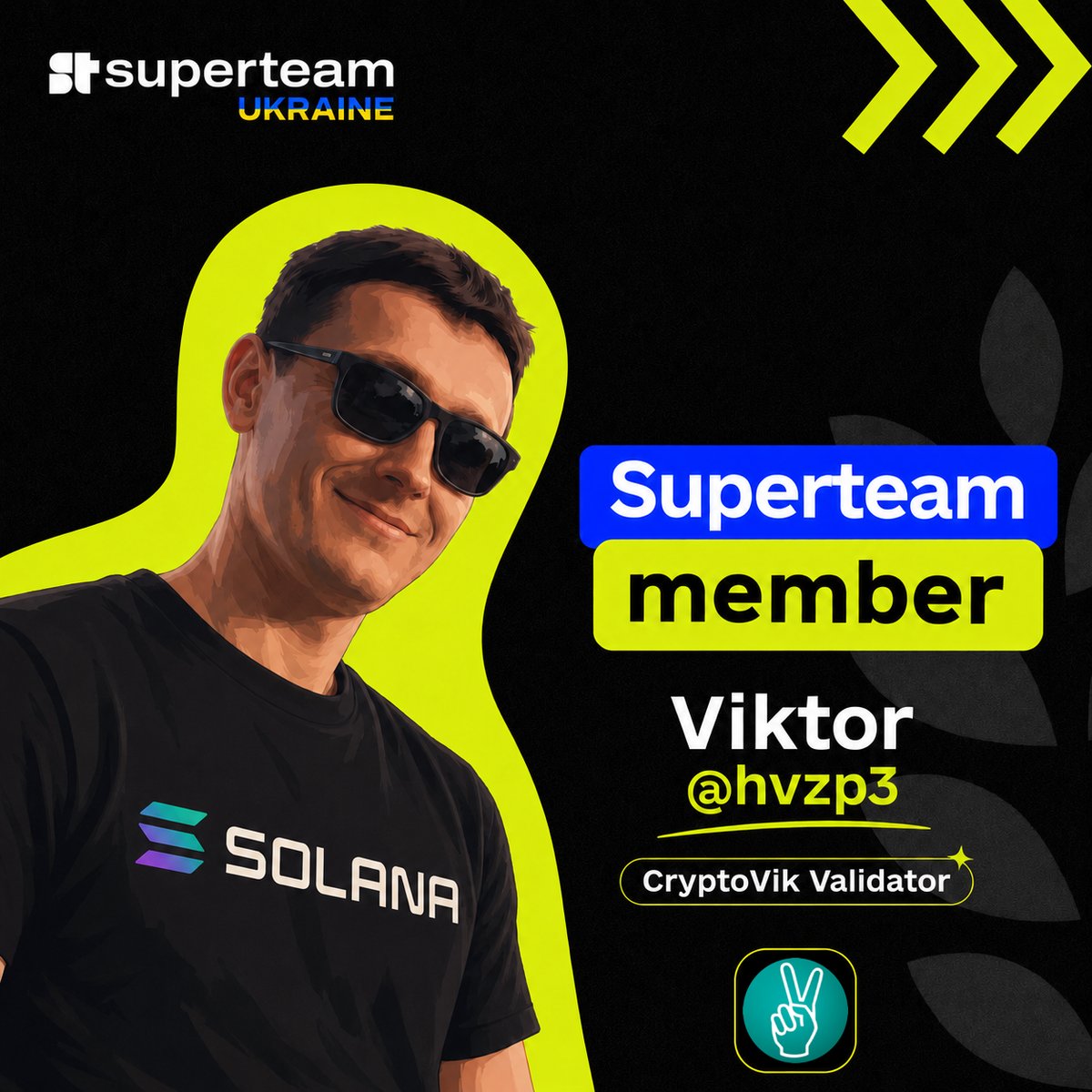
On July 22, 2026 I published a short post: proud to be a member of Superteam Ukraine. The Superteam account replied with four words that sum up how this community works: Welcome to the family. The membership itself became official back in April. And now I want to take my time and write down what this community is, where it came from, and why an independent validator cares.
Superteam Ukraine is the Ukrainian hub of a global network of Solana communities, backed by the Solana Foundation. For builders here it is the closest thing to a home base in the ecosystem: education, bounties, grants, hackathons, and people who answer questions at any hour.
Three communities, one path
I have been running a Solana validator since September 2021, and from the very start I was looking for my people. The first circle I built myself: a small, closed community of Solana folks and validator operators from my home city, Zaporizhzhia. We learned the network from the technical side, watched each other’s nodes, and kept figuring out how we could be useful. When russia launched its full-scale invasion of Ukraine in February 2022, that group became something bigger than a crypto chat. It was a support line that went far beyond Solana. And when the bear market of late 2022 hit and running a validator stopped making obvious sense, the same people helped each other keep the nodes running. Most of my open tools started there, built for myself and for them.
The second circle came in 2022, when I joined the wider community of Ukrainian validators. I did not organize that one, and it is full of people who did serious work to make Solana happen in Ukraine. Many people from my Zaporizhzhia group joined it too. The full story of those first two circles deserves its own article one day.
The third circle appeared later, and it gives me huge drive and inspiration. And it is the reason for this post.
Where Kumeka Team came from
The first time I heard about Kumeka Team was before it existed. In October 2023 Mark came to our validators chat with a poll: how do you like the name Kumeka Team for a Ukrainian community project? Mark is one of the people who pushed Solana in Ukraine from the earliest days - I met him at the first Solana meetup in Kyiv back in 2021. He and his cofounders were already doing the heavy lifting of building the hub, but he brought the idea and the name to people he trusted first. The name comes from the Ukrainian word “kumekaty”, which roughly means to figure things out, and three quarters of the chat liked it. Two months later Kumeka Team went public, describing itself as powered by Solana and inspired by Superteam. Looking back, the direction was set from day one.
What the community built
The next two years were dense. Kumeka ran free developer bootcamps: the first Ukrainian Solana Bootcamp, in May and June 2024, taught cryptography basics and a first on-chain program over six weeks, and by the third edition in 2025 the lecturers included Illia Bobyr from Anza, the team that maintains the main Solana validator client. I took part in the first and the third one myself. In total the community counts six bootcamps and more than 420 people finishing its programs.
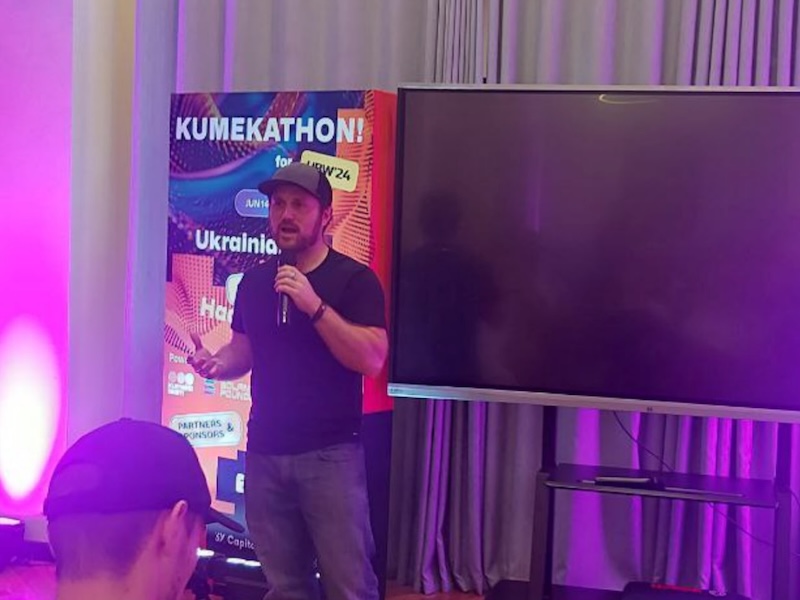
There were KUMEKATHON hackathons, local competitions timed around the global Colosseum seasons, with prize pools that reached $200,000 in prizes, grants, and pre-seed money. And there were meetups. In June 2024, just before the Incrypted conference, Kumeka brought Dan Albert, Executive Director of the Solana Foundation, into a room full of Ukrainian builders and validators. I was glad to be in that room. A few of these milestones are also on my community timeline.
The validator community was not just an audience in this story. During the Renaissance hackathon in spring 2024, validators pooled their own funds for a prize of our own: we went through the Ukrainian submissions, voted, and three teams split $4,000 from the Ukrainian validators community. Kumeka’s announcement of the Ukrainian track lists everyone who chipped in, me included. A small thing, but it says a lot about how these circles are connected.
Add up the years and the numbers get serious. By the community’s own count: over $1M distributed in grants, prizes, and bounties, 450 plus projects launched, four Colosseum hackathons where Ukraine landed in the global top ten by registrations, more than $3M raised by local builders, and partnerships with over 60 universities. Plus more than 270 events online and offline, an accelerator called Scaling Summer, and charity drives, including a large fundraiser for Ukraine’s defenders.
From Kumeka to Superteam Ukraine
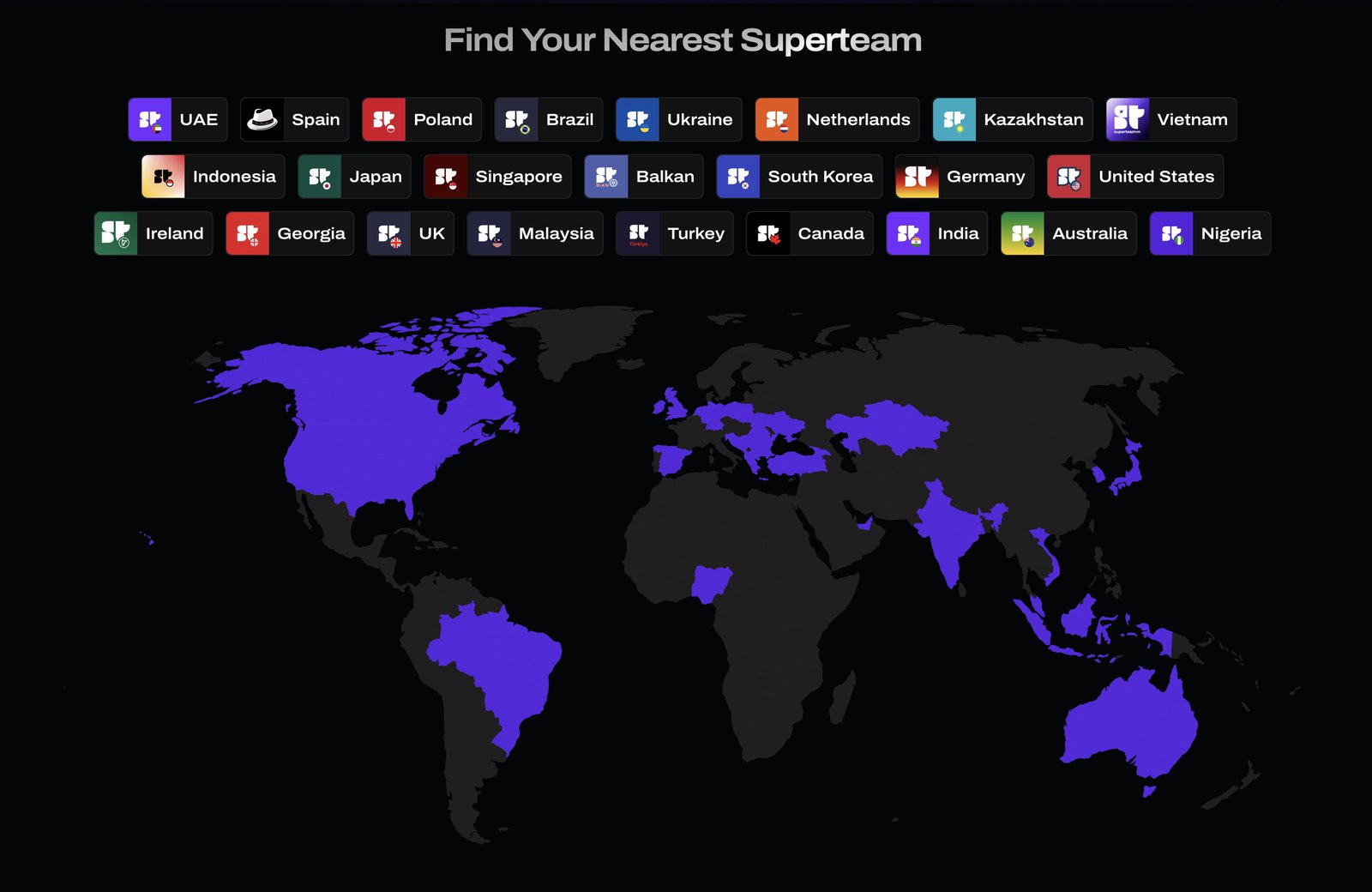
On February 17, 2026 Kumeka Team officially became Superteam Ukraine. The people and the spirit stayed exactly the same, but the community plugged into a much wider world. Superteam is a global network of regional Solana communities that started in India in 2021 and now runs in more than twenty countries. For Ukrainian builders that means Superteam Earn with its bounties and grants, connections to hubs from Brazil to Australia, and membership that is recognized across the whole network.
If you want a feel for how the community talks about itself, there is a good video conversation about Superteam Ukraine and where Solana is heading, in Ukrainian.
Inside the Solana Startup Terminal
The project I know from the inside is the Solana Startup Terminal, a free eight week program where founders and developers team up, build an MVP, and take it to a global hackathon. There are two tracks, business and development. I went through the first season this spring and completed all nineteen modules of the business development track.
For me the real value was rhythm. The Terminal forced my main project, the StakePools Dashboard, into weekly deadlines, pitch practice, and mentor feedback, and then straight into the Colosseum Frontier hackathon, where I filed a complete submission with a pitch video and an accelerator application. The dashboard moved faster in those two months than in the half year before them.
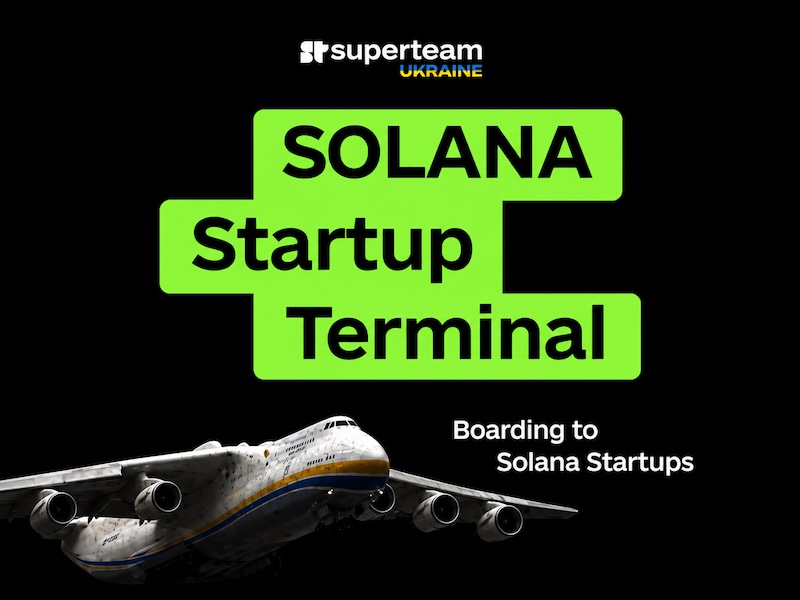
Season two is open for registration now, and it is free. If you are Ukrainian, wherever you are right now, and you have an idea for Solana, or just skills and no idea yet, this is the door I would knock on: register for Solana Startup Terminal 2.
Builders worth watching
Projects are the most visible part of any community, so here are a few from this hub that I watch. Nomadz, one of the oldest, is a crypto travel service that has gone from a community project to a Solana Foundation partner. Cashflow, a mobile finance app by one of the most active members, is live in the Solana dApp Store and took a grand prize at the Solana Mobile Monolith hackathon this spring, side by side with Backyard Finance, a yield manager from the same community. StakeNova builds a no-code staking platform and picked up a sidetrack win at the Cypherpunk hackathon, and Covantic recently pitched in the global top five of a hackathon demo day. The list is longer, and it grows every season.
What comes next
Membership is not a finish line. For me it is mostly about what becomes possible next. There is a grant program for small offline events, and I would love to help bring live Solana networking back into the habit of Ukrainian builders. With the Superteam team we are also discussing a few interesting technical bounties for Earn, and I like where those talks are going. I want to bring more people from my own community into this bigger one. And I will keep entering Startup Terminals and hackathons with new projects, because they give a project pace, feedback, knowledge, and the right people all at once.
Thank you to the Superteam Ukraine team for the welcome, and to everyone who built Kumeka. Welcome to the family works both ways.
Read more
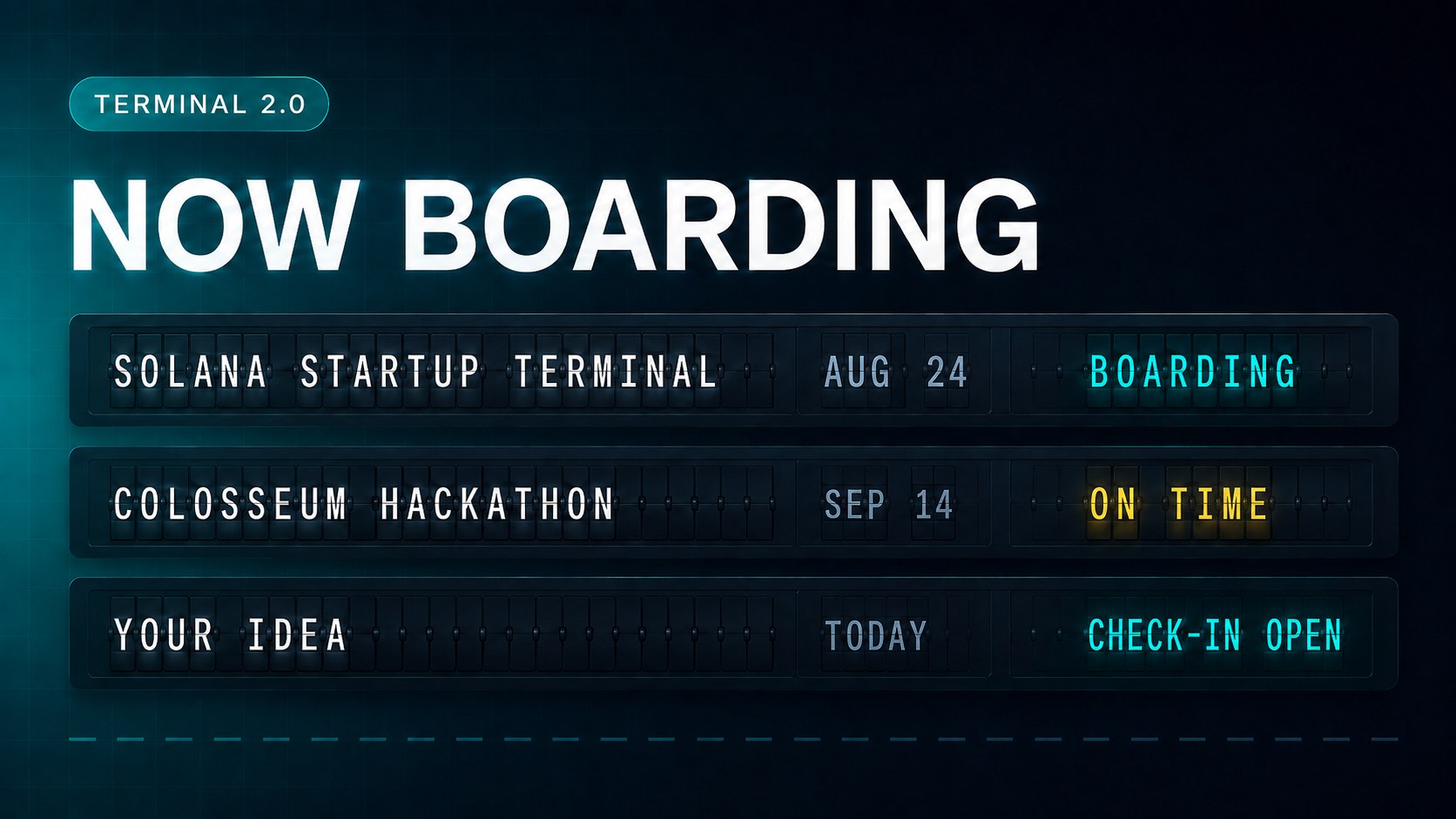 Solana Startup Terminal 2.0: a boarding pass to the Colosseum hackathon Solana Startup Terminal 2.0 is boarding: a free eight-week Superteam Ukraine program that flows into the Colosseum hackathon. What it gives, what season one won, and how to join.
  A closer look at JPool, our liquid staking partner on Solana What JPool is and how it works: JSOL liquid staking, direct staking to your chosen validator, stake matching, and the Community Good program that backs Solana builders.